

The rockface has collapsed
over the mouth of the cave.
You must imagine the bear’s jaw,
the child’s perfect footprint
sunken in the limestone floor,
beasts, extinct now,
depicted on the walls:
leopard, ibex, oxen—
long gone
and gathered here
in the dark,
where the artist’s handprint
repeats itself, the red ochre paint
a signature,
the smallest finger bent
or broken. Bison, fox,
and a herd of horses found
as if by chance
in a clearing,
wide-eyed, alert,
hearing you, a new animal,
enter the open field.
//
Author’s Commentary:
The Chauvet cave in southern France contains images of lions, rhinoceroses, mammoths, bison, and horses made more than 30,000 years ago. Sealed by a rock fall, the cave remained intact until its discovery in 1994, when hikers noticed a faint draft through a hidden opening. That act of finding an entrance reminds me that writing an ekphrastic poem often means looking for a way in, a point of access that allows me to imagine myself within a world that is not originally mine.
In “Ne Pas Entrer,” the speaker enters through the imagination, hearing himself named “a new animal” as he steps into the open field of painted horses. His imagined encounter mirrors the experience of the people who once lived in this region and saw these creatures alive.
In writing the poem, I was struck by the idea that we can be in awe of the artists who recorded these animals even as we recognize that humanity’s presence eventually led, in some cases, to their extinction. The paintings became both a celebration and a warning, preserving a world that no longer exists while quietly documenting the beginning of its destruction.
Ultimately, the poem considers where and how we enter—into art, into history, into other worlds—and the weight of that entry: the wonder it can bring, and the harm it can carry, even when it begins in reverence.
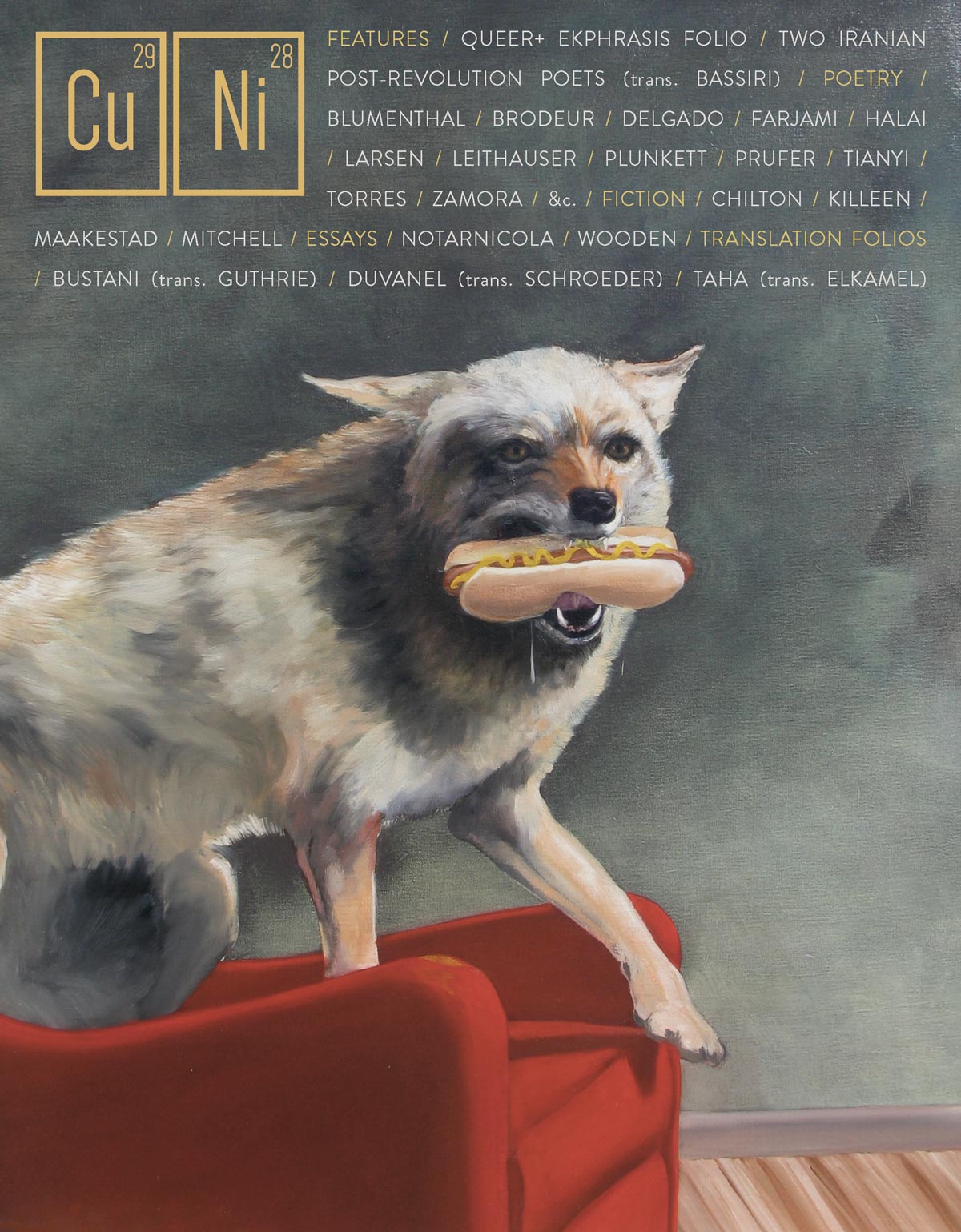
Poetry | Queer+ Ekphrasis Folio
|
First posted on 11.11.2026